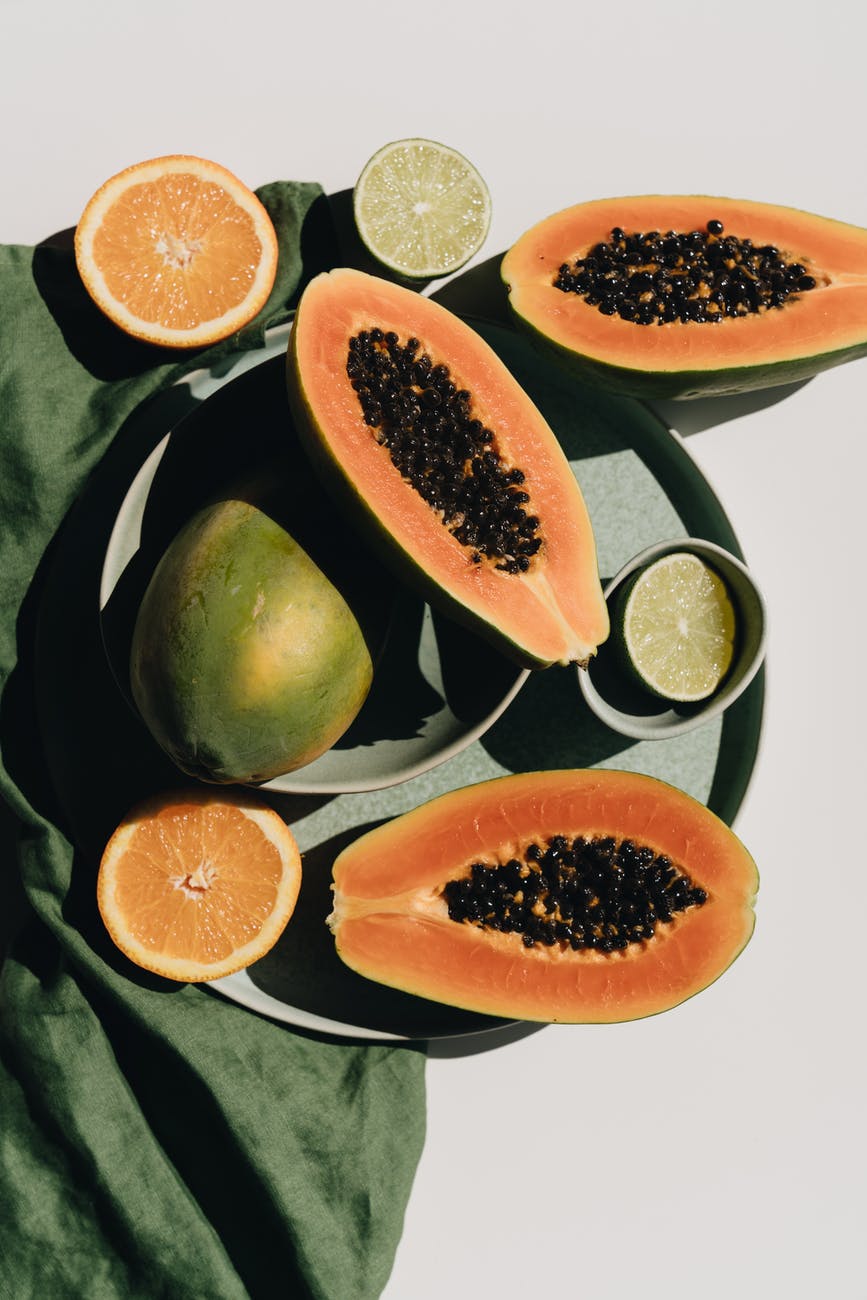
When we consider whole foods, we tend to think that they are unflavorful and bland; however it doesn’t necessarily have to be that way. Whole foods have a lot of variety and nutrients as they are found in nature that tends to nourish our body from within, making our immune system strong because they come without the chemical preservatives, colors, and other harmful additives. Eating a low-fat, plant-based diet also gives the immune system a boost. Whole foods can definitely be palate-pleasing and healthy at the same time.
Whole foods not only include vegetables and fruits, but they also include:
- Herbs
- Nuts and dry fruits
- Sauerkraut (finely cut raw cabbage that has been fermented)
- Pickles
- Kimchee (salted and fermented vegetables, such as Napa cabbage and Korean radish)
- Seeds (flax, chia, quinoa, etc.)
These foods also provide our body with natural probiotics and micro nutrients. The vitamins found within these supplements are highly complex structures that combine a variety of nutrients, including enzymes, coenzymes, antioxidants, trace elements, and many other factors.
Why is it important to eat whole foods?
There are countless reasons to eat whole foods rather than eating processed foods. We as humans, “the social animals” have shifted to the easier and readily available alternatives for food that make us suffer in the long run. A pack of noodles or candy might seem an easy option when you’re famished, but these deep-fried noodles and sugar-loaded candies if eaten in a large amount leave our body with nutritional gaps over time. Consuming whole foods has many benefits like-
- Help you lose a significant amount of weight: Foods that are high in protein and fiber will boost your metabolism and allow you to stay fuller, longer. When you don’t have the urge to snack, you will generally consume fewer calories throughout the day leaving you satisfied and feeling good.
- Helps maintain a healthy gut: Substituting whole foods in one’s diet such as whole grains, leafy greens, lean protein, and low-fructose fruits helps fuel healthy gut bacteria. Eating a lot of fiber and leafy greens allows you to develop an ideal gut microbiome — those trillions of organisms that live in the colon. Thus it helps a person to maintain a healthy body that is free from diseases.
- Simple and inexpensive: Whole foods can be found anywhere as they are readily available like in farmer’s markets, small vendors alongside the road, and many social places which are easy to access. In the long run, they are less expensive compared to the sugar and carbs-loaded processed foods that tend to make our body vulnerable to diseases costing whopping medical bills later in life.
- Better satiety: Whole foods tend to carry a ‘Higher level of appetite-suppressing hormone’, which gives you a feeling that you’re full and prevents you from snacking more often.
How can we switch to whole foods?
A drastic change in our diet seems next to impossible so it’s all about starting to make small changes in our daily routine that will have major benefits over time. The very first step can be changing the soda to plain water, next visiting a farmer’s market, and getting familiar with the whole foods section. Making a plan is not a difficult task; the most difficult part is following through with the plan and fighting the urge to consume processed or ultra-processed foods.
Switching to whole foods is not just about changing your diet, it’s about changing your lifestyle and how you look at your life and how much you value the wellbeing of your body. Finding the right plan that fits you is the most important thing, take time with it and don’t get disappointed if things are a little slow in the beginning.
Here are some simple tips to help get you started and devise a meal prep plan:
1. Shop at the local markets- Local markets are a great source to start the search for whole foods. It can get a little overwhelming in the initial stages as there are so many options to choose from and different varieties. Try getting vegetables that you are already familiar with and some eggs for starters.
Discover the whole foods section at your local supermarket and search thoroughly for the products that catch your eye or try soliciting help from the vendor. These people have been in business for quite a while and understand the vegetables more so they might suggest something that you missed or something you might like. Be open to new suggestions and varieties!
2. Get the right equipment- The most common kitchen essentials for preparing whole foods are chopping boards and knives, blender, food processor, air fryer, and juicer. Experimenting with your veggies is a must. For example, there are a thousand ways to eat broccoli, you can cut it, blend it, roast it, air fry it(my personal favourite as it makes it crispy). This is just one example, getting the right equipment will help to enhance the flavor of whole foods making them desirable and satisfying to eat. Meal preparations a few times a week initially can ulltimately lead to a healthy lifestyle!
3. Eat these whole food desserts- When we think of whole food desserts a very raw image comes to our mind of unflavorful mushes. Whole food desserts can be quite fun and savory! For example, eating yogurt topped with fresh fruits and dry fruits, figs, dates, two-ingredient banana ice cream, and fruit smoothies can be flavorsome, divine, and delicious. Eating foods in their whole and natural state is deemed healthier simply because the body recognizes and assimilates whole foods better and making these whole foods as desserts is just what a person needs in their diet. So instead of using processed and ultra-processed foods with usual fats and sugars you can swap them with creamy avocados, date paste, fruits both dried and fresh, coconut and fresh coconut water.
4. Discover new veggies and expand your horizon- Experimenting with new vegetables and fruits that fit your taste palate is a must because eating without interest will make it difficult for a person to follow through with the diet plans and maintain a healthy diet.
Finding what is right for you can take time but is worth spending time on. Vegetables are nutrient dense and our body’s most efficient fuel. They tend to fill you up without “filling you up”. A bar of snickers has more calories than a plate full of broccoli. So put on your apron and keep experimenting until you find something you like!
5. Expose yourself to more information about whole foods- Gathering information about what we put in our body has to be done thoroughly. Ask yourself questions like what are whole foods, what do they look like, what whole foods diet looks like, how to add more whole in your diet, meal preparation for whole foods, etc.
Here’s a small example of how you can constitute whole foods in your diet
| Meals | Whole foods |
| Breakfast | Plain yogurt with muesli or granola |
| Lunch | Spinach salad with whole grains, chicken breast/boiled egg/chickpeas and seeds |
| Dinner | Pot roast, steamed broccoli and nuts |
| Snacks | Nuts and fruits |
What is one step you will take this week to incorporate more whole foods in your diet?
 The Butterfly Effect
Leave a comment